
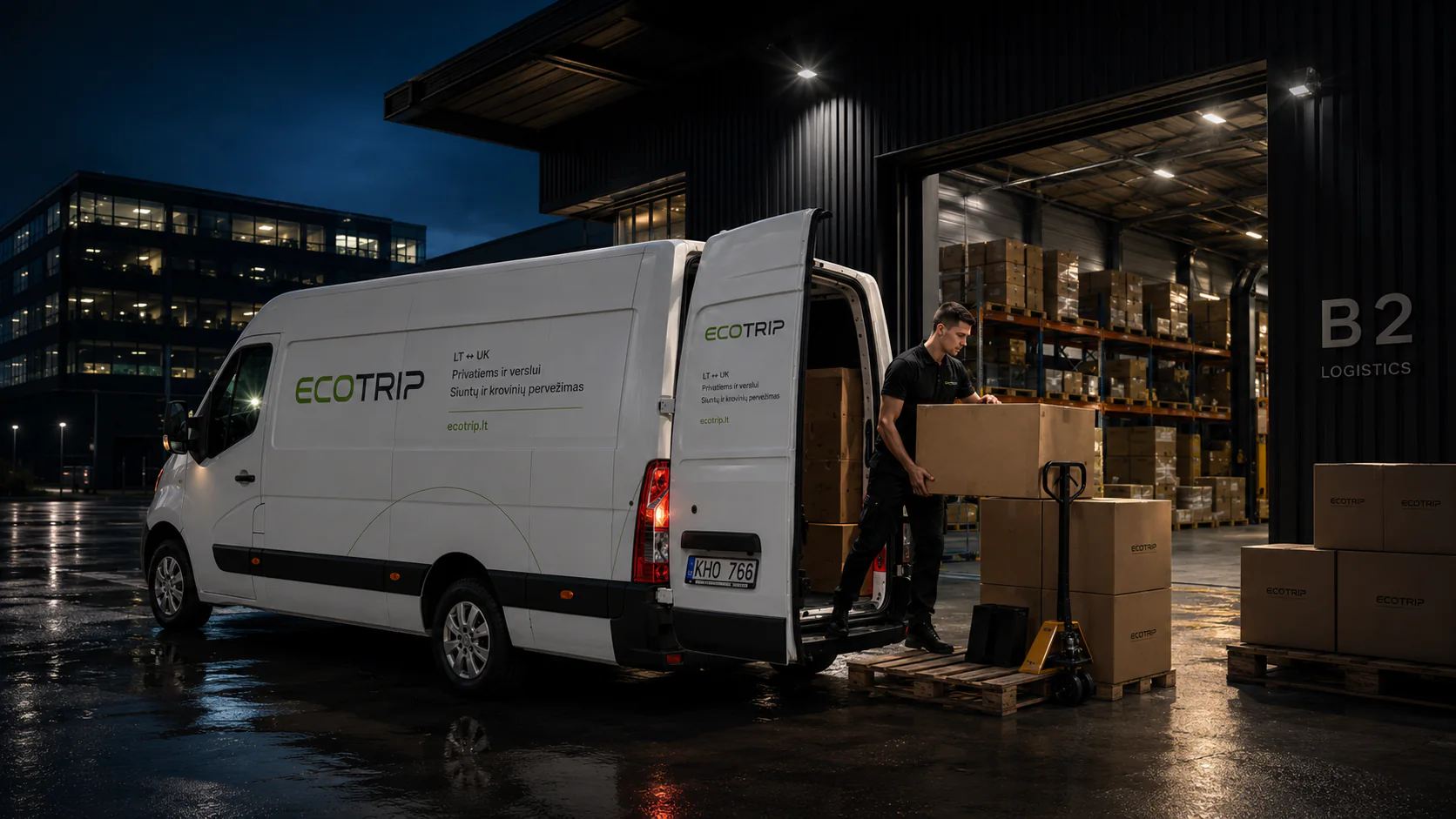


The last mile is the final delivery stage from a shop or warehouse to the recipient. A sale does not end when the product leaves the shop or warehouse. For the customer, it ends when the order arrives safely at the agreed place. The delivery team therefore becomes a visible part of your brand.
Delivery shows whether your promise was kept
Advertising may promise convenience and the seller may promise quality, but the driver often leaves the final impression. Did the customer know when to expect delivery? Was the team careful? Did someone take responsibility when something went wrong? These moments directly influence repeat purchases and recommendations.
What a business needs from a transport partner
- Clear information. The order status must be clear and the responsible person known.
- A consistent service standard. Customers should receive the same standard every time.
- Careful handling. For furniture, appliances and large items, conduct in the customer’s home matters as much as transport.
- Flexibility. As volumes, delivery locations and seasons change, delivery procedures must remain clear.
- Feedback. If delivery fails, it must be clear what happened and how it will be resolved.
Consistency matters more than one impressive journey
For business customers, reliability comes from consistently well-managed handovers, not a single fast journey. At the start of a partnership, agree how orders are submitted, which time windows apply, what happens in unusual situations and when delivery confirmation is provided.
What to discuss before starting
State how often orders arrive, where you deliver, typical product dimensions and preferred delivery times. Describe cases needing two people or carrying upstairs. More accurate information makes it easier to plan vehicles, staff and delivery procedures.
A good transport partner should not feel like a separate link to the customer. It should naturally carry your promise through.